A couple of hours’ drive south of Santiago is the Colchagua Valley, another of Chile’s regions that is revealing it has a very interesting terroir and is producing some very fine wines.
We drove south through the Maipo and Cachapoal Valleys, past plenty of vineyards (and fruit orchards) and shortly after Rancagua we headed west, eventually coming to the famous sub region of Apalta. This is a natural amphitheatre of vines, created by a horseshoe shaped valley, and is home to several top wineries, including Montes.
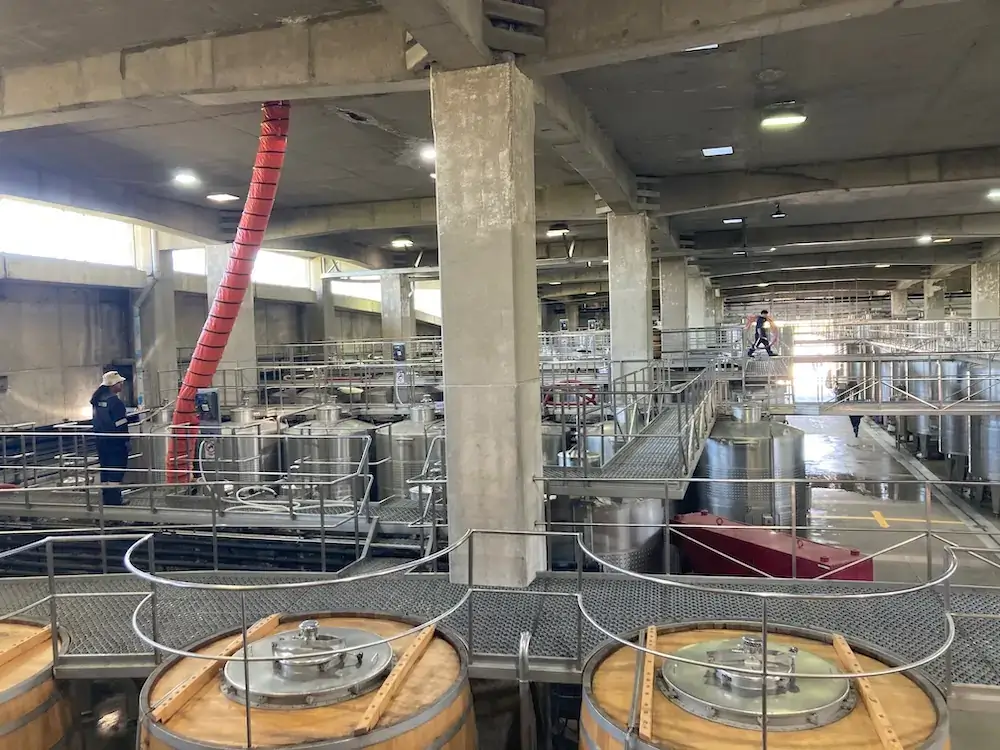
Tim has sold Montes wines for many years, and this was the third year in succession that he visited so we were greeted royally. While brilliantly set up for visits, it is no doubt a working winery, and Nastacia, our guide, talked us through the various plots of (sustainably farmed) vines we could see on the sides of the hills, then took us up to the roof to see bunches of Merlot being sorted, destemmed and the berries sorted before descending into the winery. Despite being huge, the winery had plenty of smaller vessels of various materials, which are used to make wine from individual plots that go into their top wines.
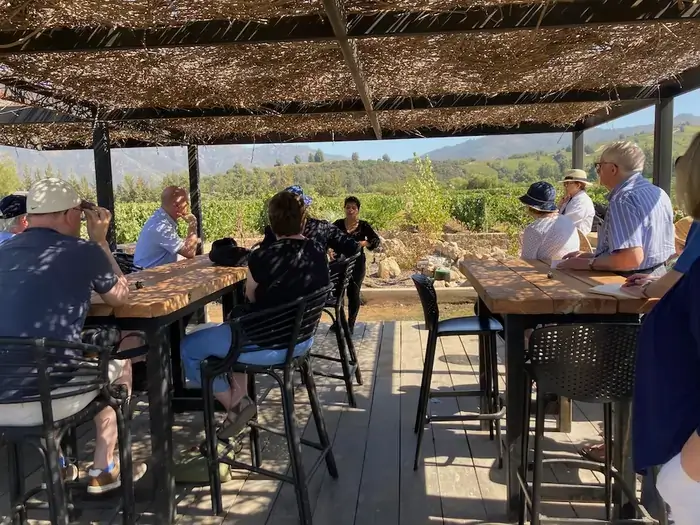

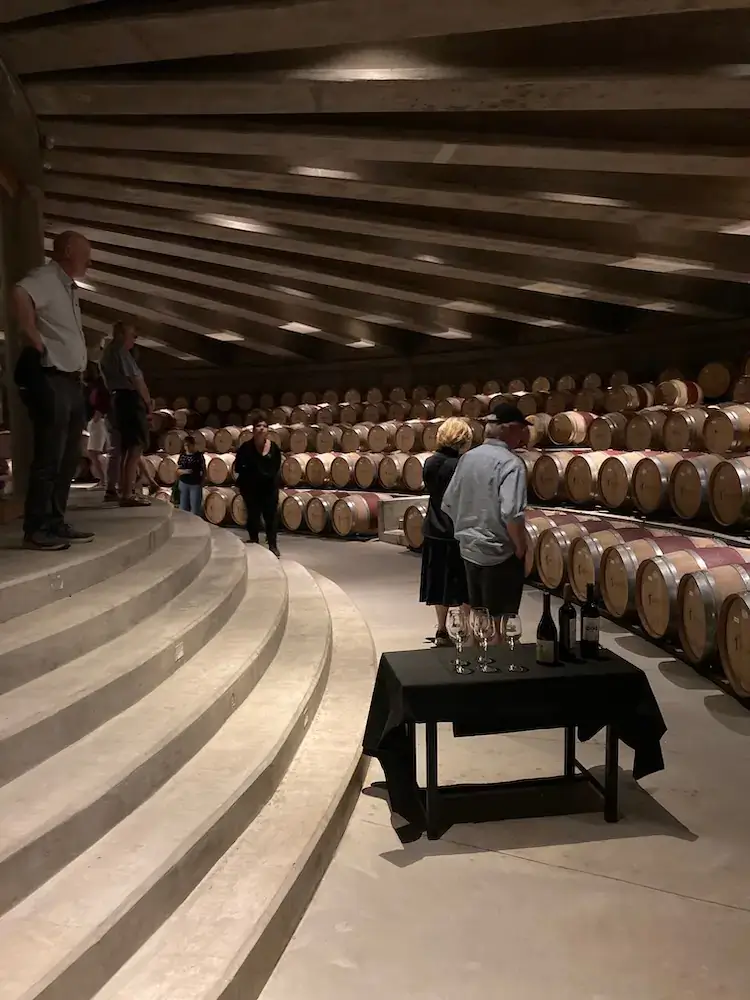
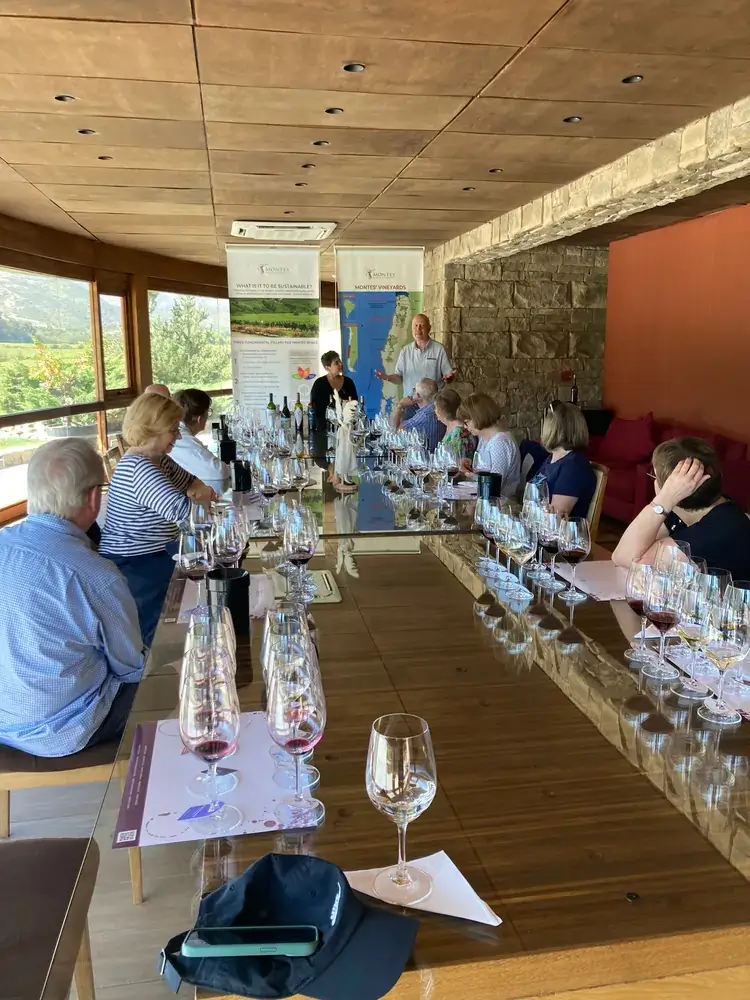
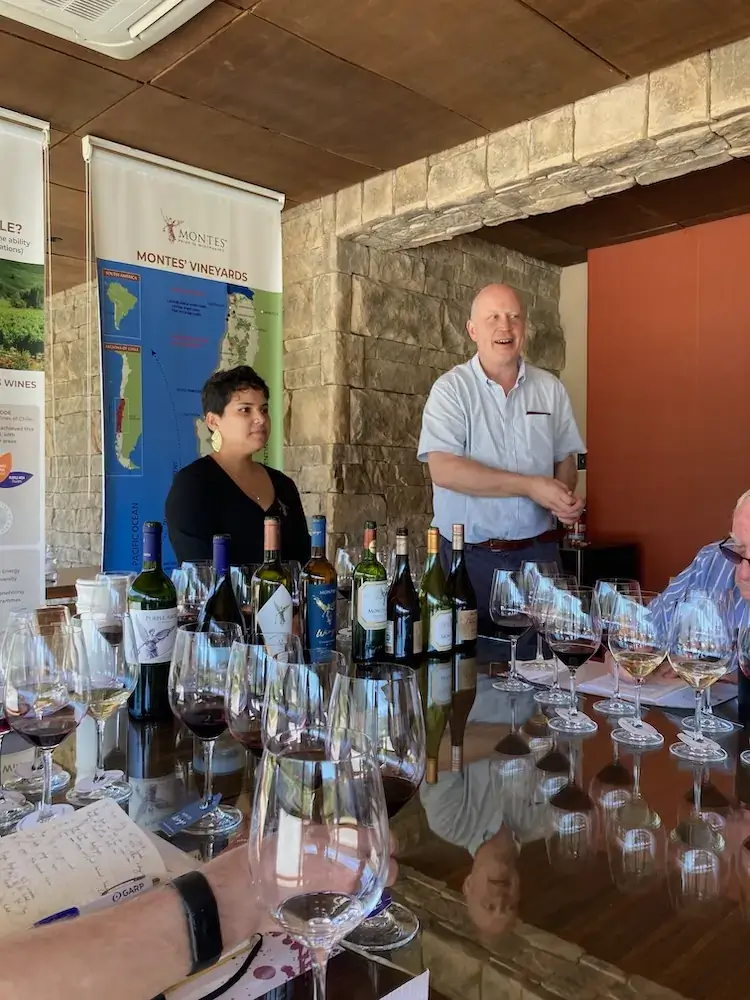
The curved barrel cellar was very impressive. Gregorian chants are played to the maturing wine – one of the four founders was keen on spiritualism and feng shui – and our tasting, looking out onto the horseshoe of mountains was brilliant. Eight wines took us through the Montes range, including wines from other areas of Chile – Colchagua is Montes’ base, but they have vineyards in the Casablanca and Aconcagua valleys north of Santiago, and Itata and Bio Bio in the far south – and are even experimenting with grapes for sparkling wine as far south as the Isle of Chiloé. Montes are clearly keen on promoting Carmenère, and the comparison of their ‘Wings’ with Purple Angel was fascinating.
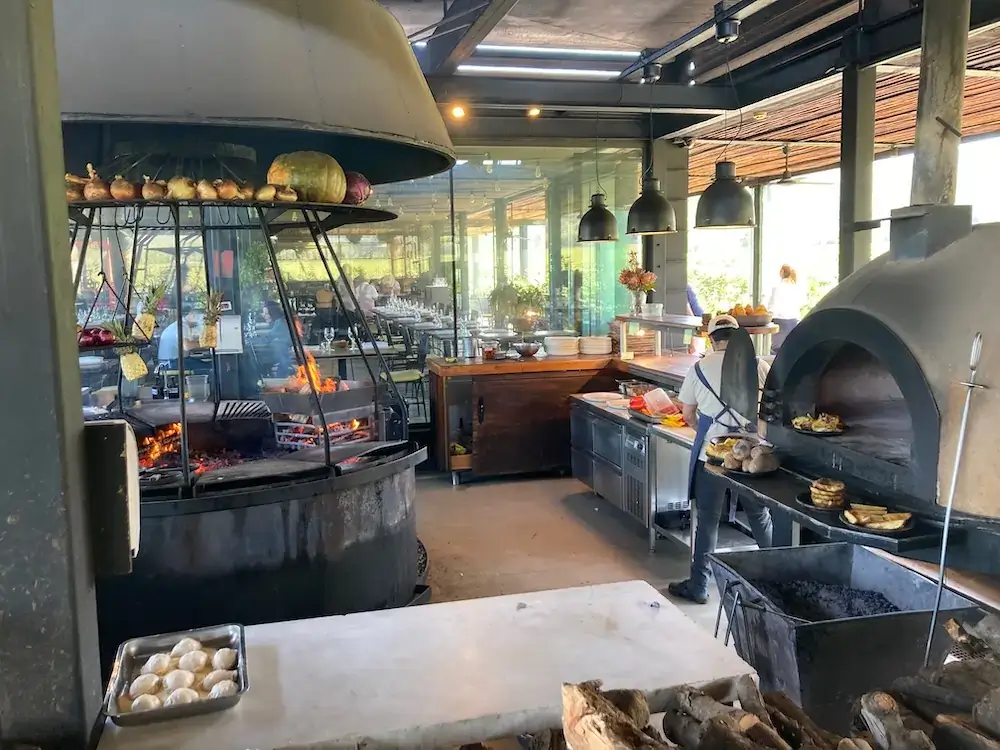
We continued to enjoy wine with a delicious lunch of salady tapas, beef or fish and a collection of puddings in their Fuegos de Apalta restaurant amid the vines. It was a super meal, yet more glorious fresh ingredients and lovely wines.
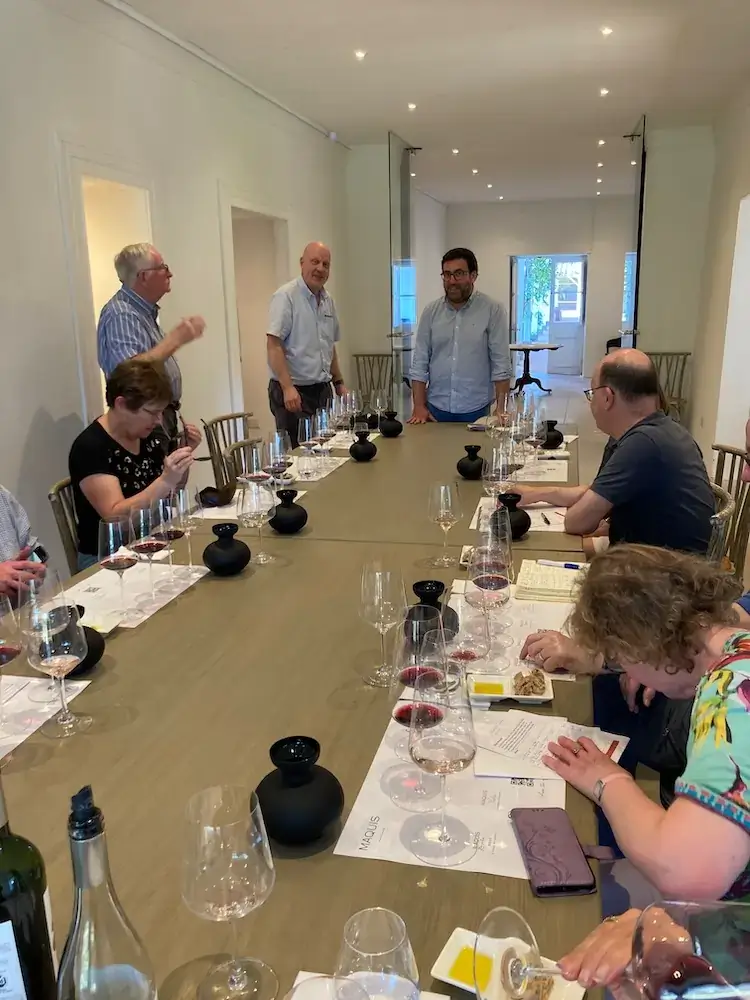
From Montes we went a little further west, across rolling hillsides, and came to the Maquis Estate, which has a fascinating history. Originally a Jesuit mission, it was owned by two Chilean presidents (both named Errazuruiz), who used is a kind of Mar A Lago, holding state meetings there. The current owners, the Hurtado family, started to develop the vineyards in 1916, building a new winery in 2002 and bringing in Xavier Choné, a French soil expert who dug 400 soil pits and advised on planting of varieties at their vineyards in Apalta and in Machigue. Unlike the big rectangular vineyards that cover most of Chile, their vineyards are a mosaic, following contours of hills, river banks and changing soil types.

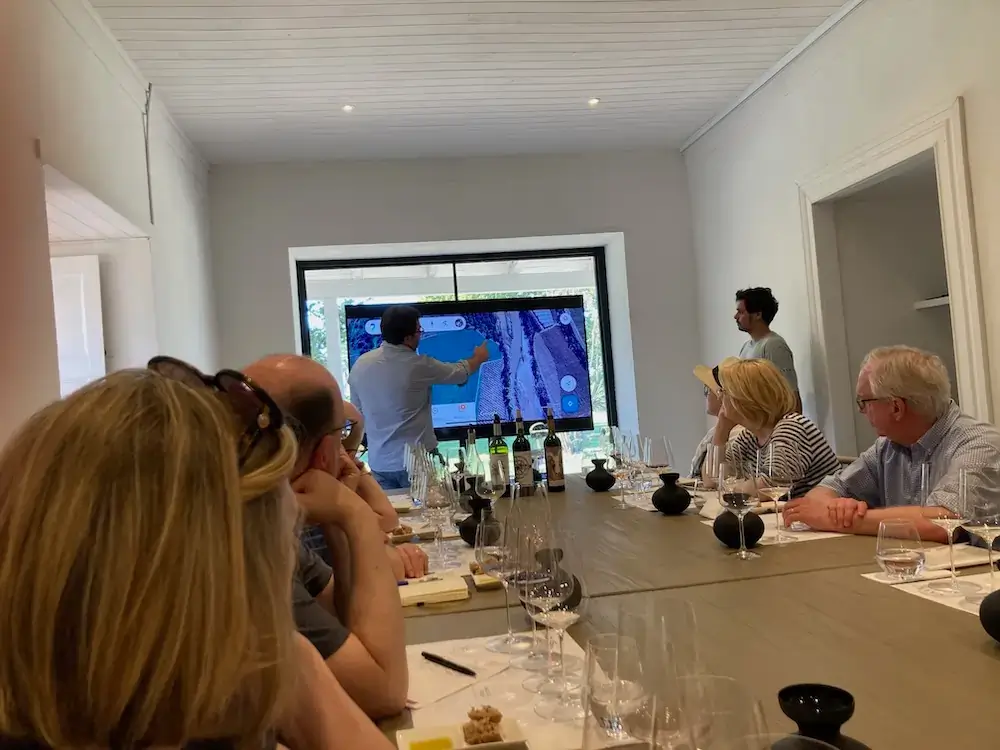
Carlos hosted us and was great fun. He explained the story of the estate, with the help of visual aids, and was particularly proud of the stellar points their Icon wines, have been awarded from the likes of Robert Parker, Tim Atkin and Patrick Schmidt. They are sold through the Place de Bordeaux, along with a small number of other Chilean wines of very high quality. In their restored adobe homestead we tasted their Method Traditional fizz made from Malbec, and a rosé also made from Malbec, followed by the three of their icons. Maquis Viola (Carmenère), Maquis Franco (Cabernet Franc) and Calcu Futa (Cabernet Sauvignon). An amazing tasting, particularly the 2015 vintage of Calcu Futa, which felt young and vibrant but showed lots of interesting complex flavours.
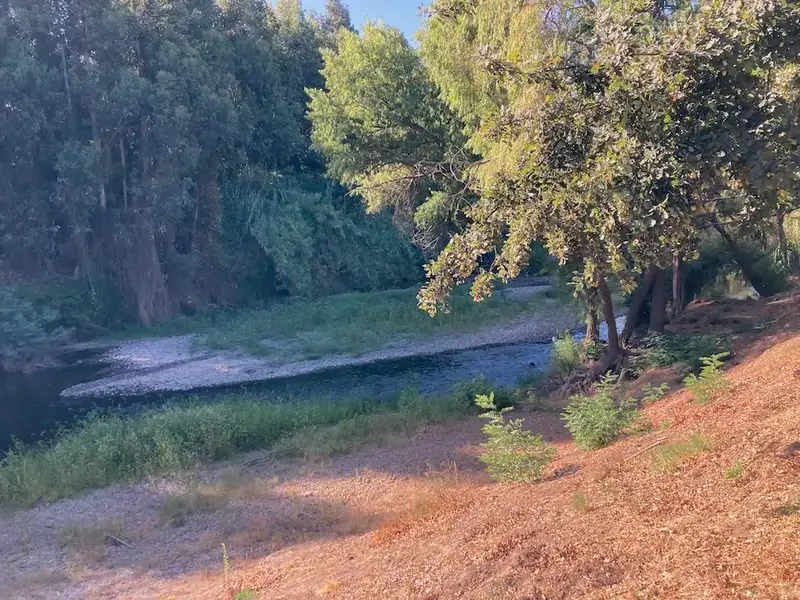
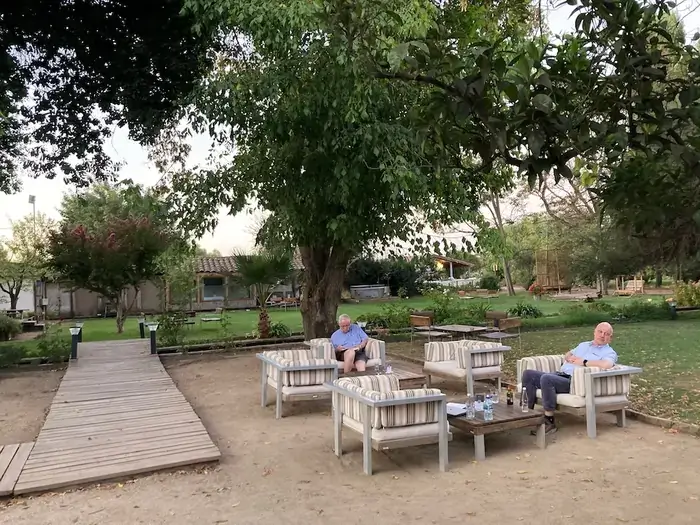
We are staying in Colchagua for a couple of nights and the Noi Blend hotel outside Santa Cruz provided a beautifully relaxed environment for us to unwind in.