We enjoyed our lake view this morning, Kevin our driver kindly took a circular route to start off with.
It was then just under two hours’ drive to Hawke’s Bay, initially through the flattish Waikato plain, dairy capital of New Zealand, and then into the mountain ranges that lead down to the coast, where forestry is the thing. The scenery was wonderful, it was a great drive (and we were rather glad it was Kevin doing the driving).
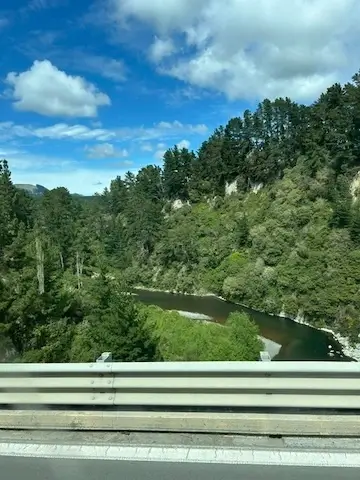
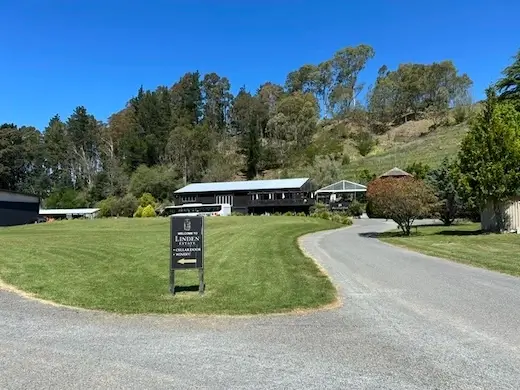
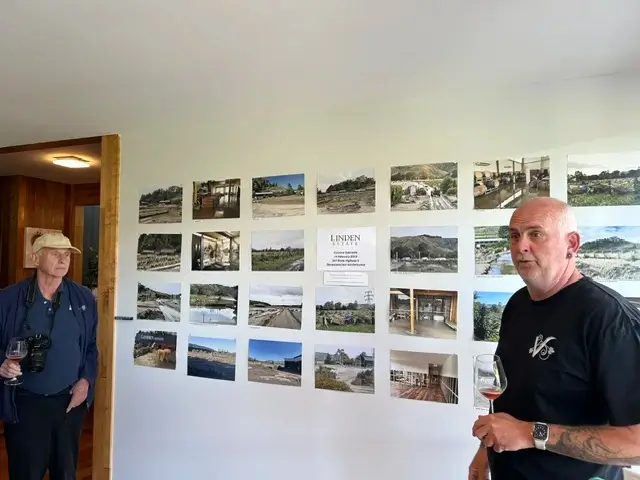
Our route into Hawke’s Bay took us down the Esk Valley, a small wine growing sub-region that had been devastated by Cyclone Gabrielle back in 2023. There wasn’t much sign of devastation, but once at Linden Estate, we were educated by a wall of pictures depicting houses washed down stream, other buildings flattened, and mud. Throughout the modern buildings were signs showing how high the flood level had been (well above waist height), and we learnt about how different vines responded to the inundation and recovered after being restored to an upright position and liberated from mud.
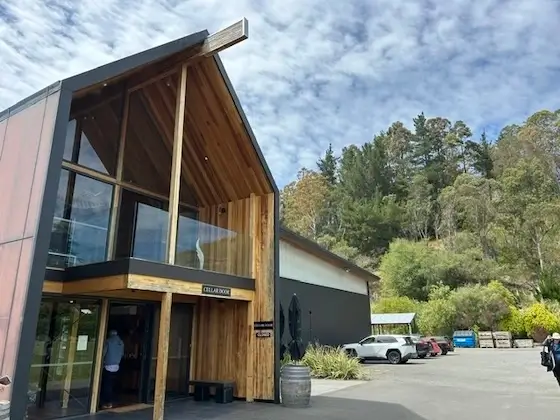
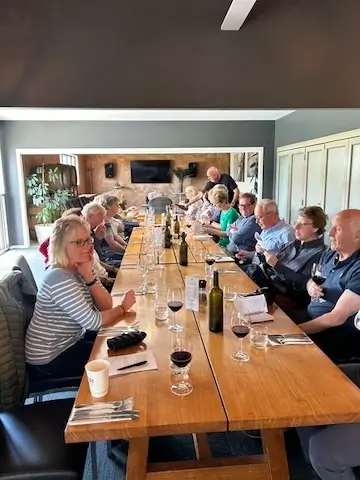
Our host, Greg Miller, was a fount of knowledge about the Valley and wine making in Hawke’s Bay generally, and had first hand experience of the floods. The restaurant we dined in (Valley d’Vine) became an emergency shelter for families whose homes had been flooded or destroyed, there was clearly a great community spirit there. Their moto is ‘Devastated but not Defeated’.
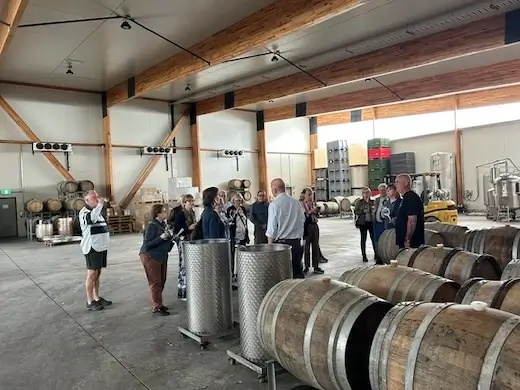
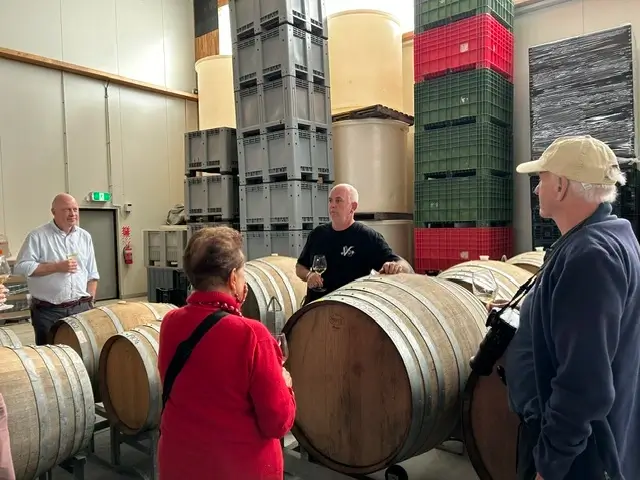
Greg got us to take our glasses with us as we walked around the cavernous winery, built using reclaimed swamp red beech from Australia. It was very impressive, but rather empty – lots of room for growth. We tasted their rosé, a very pretty Albariño, a Chardonnay and their top red ‘Dam Block’, as we looked at the barrels the whites had been fermented in and the open top fermenters for the reds.
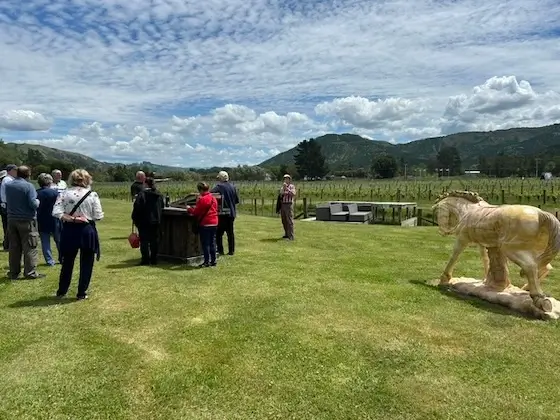
Outside we looked across the vines on the valley floor – this was a small proportion of what they grow, the majority of their vineyards are on terraces in the hills behind the winery.
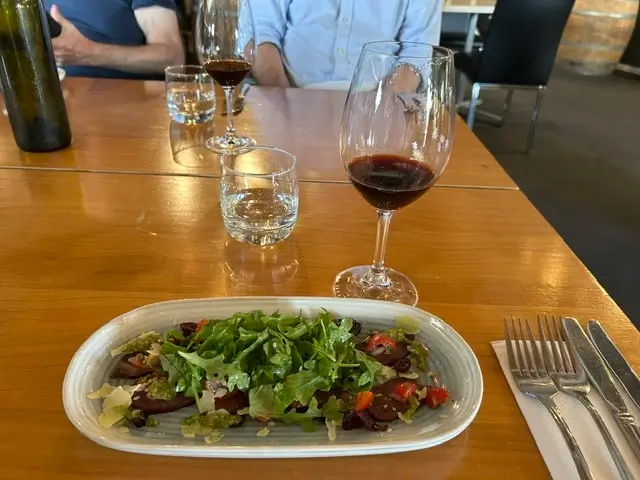
Our lunch was fantastic – a carpaccio of Venison, served with a 2013 Syrah, followed by lamb with their Pinotage. Crème brulée to finish was served with a late harvest blend of Gewurtztraminer and Sauvignon Blanc. And to finish we had a ‘Vintage Port’ (can’t be so called for much longer thanks to the EU Free Trade Agreement just signed), made principally from Tannat, most definitely a first for all of us!
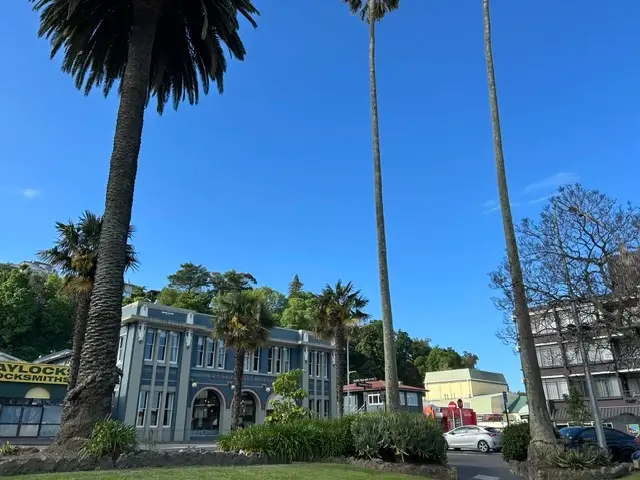
Yet again we dragged ourselves away from a brilliant winery, luckily the journey to central Napier was quite short, and we had a whole hour to rest and recuperate before our final venture – a walking tour of Napier, the Art Deco capital of the Southern Hemisphere. Our lovely guides explained how the town was rebuilt after the centre was destroyed in an earthquake in the 1930s, and through community spirit and sheer doggedness, rebuilding was kept to an Art Deco style. It’s a beautiful town, it was a beautiful evening, and it was great to get to know it close up.