
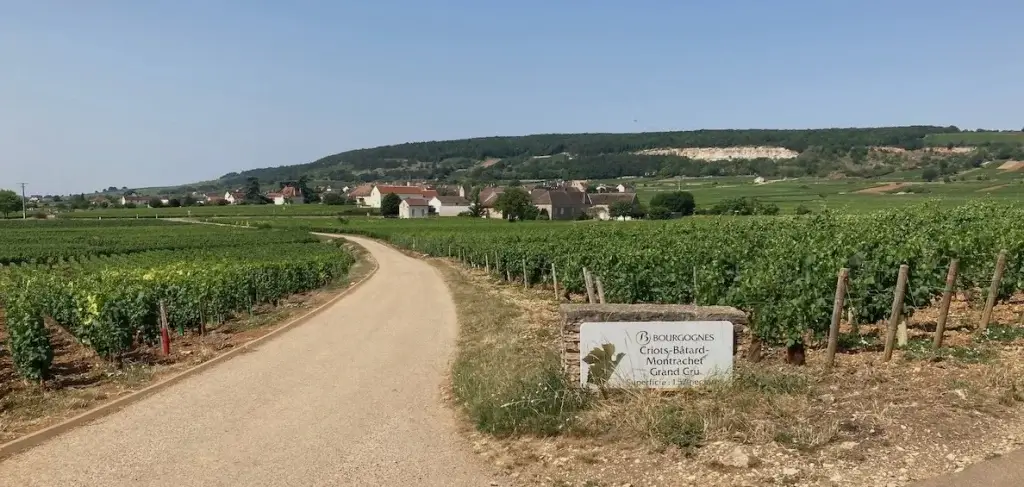
Chablis and the Côte d’Or Wine Tour
18th-22nd May 2027 – good availability
25th-29th May 2027 – a few places available
28th September – 2nd October 2027 – a few places available
5 days/4 nights based in Dijon, £1,749pp. Single supplement £150
Price excludes flights/Early booking discount available
- Explore Chablis, the Côte de Nuits and the Côte de Beaune.
- Meet a wonderful mix of family winemakers and négociants.
- At least six visits over three days, covering key appellations in each region.
- Based in Dijon, a truly cosmopolitan city with wonderful opportunities to stroll out and enjoy local sites and eateries.
- Comprehensive tastings at every visit, and four fabulous tasting lunches or dinners.
Read about the tours I ran to Southern Burgundy in 2022 and 2023
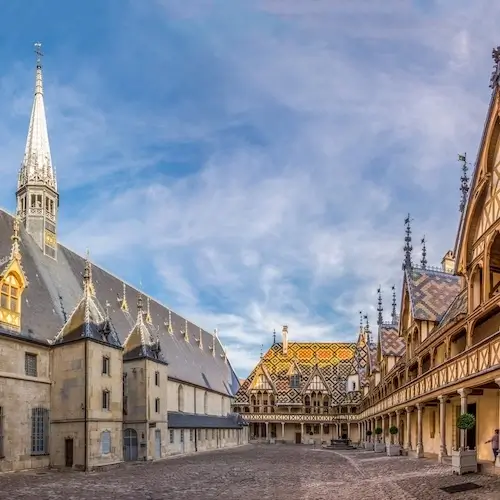
Tour dates
18th-22nd May 2027 – good availability
25th-29th May 2027 – a few places available
28th September – 2nd October 2027 – a few places available
Outline Itinerary
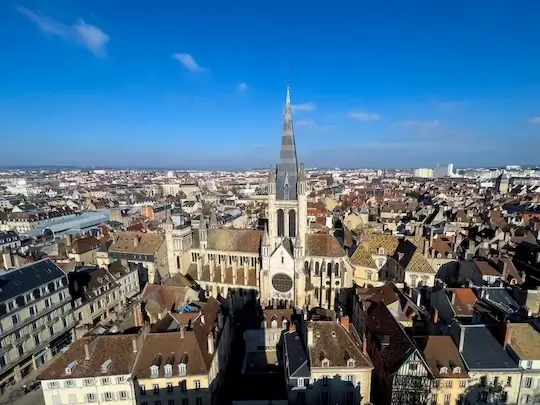
Day 1
Our tour commences at our Meeting Point at our hotel in Dijon at 6pm, meeting in the bar. We will enjoy a meal together in Dijon that night.
Day 2
We head north to Chablis, to explore the beautiful wines of this region. Vineyards surround the eponymous town, through which flows the River Serein, which has cut through the limestone plateau to create slopes on which the finest vineyards (Grand and Premier Cru) are situated. This relatively cool area is famed for its white wines made from Chardonnay, which have high acidity, fresh flavours and, in the top wines, wonderful complexity from maturation. Oak is not a sought-after flavour, although its benefits as a vessel in which flavours evolve will be discovered.
Our visits will enable us to compare wines from the key levels within the appellation, we will come away having had a master class in the impact of soil type and vineyard aspect, and more importantly having enjoyed some truly stunning wines. Lunch will be taken either at a winery or at a local restaurant, and be a great opportunity to match classic French cuisine with a classic French wine.
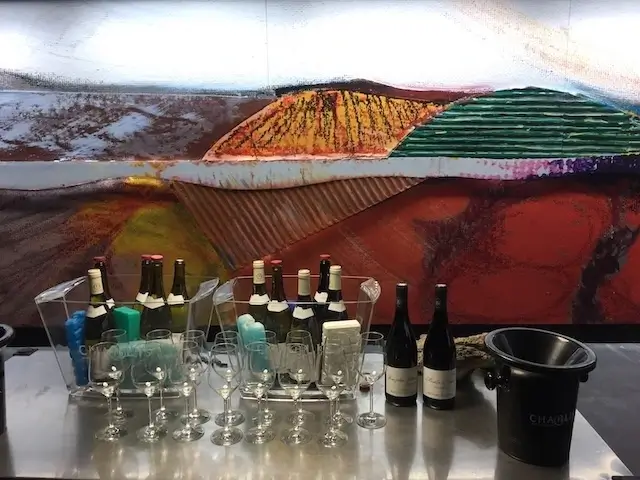
Day 3
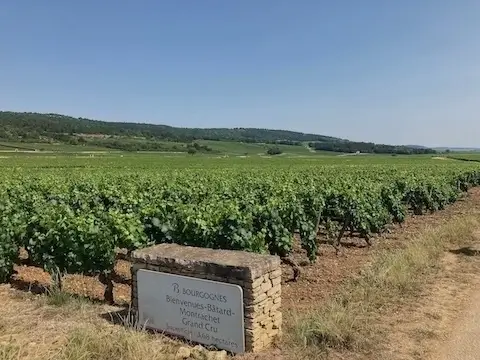
We head south, for the Côte de Beaune, where appellations such as Beaune, Pommard, Volnay and the neighbouring Montrachets (Puligny and Chassagne) produce both red and white wines, though the latter tend to grab the greatest attention from Burgundy enthusiasts.
We will take lunch near the Hill of Corton, the appellations that encircle it, Aloxe-Corton, Pernand-Vergelesses and Ladoix-Serrigny, are home to top red wines and some revered white wines.
Day 4
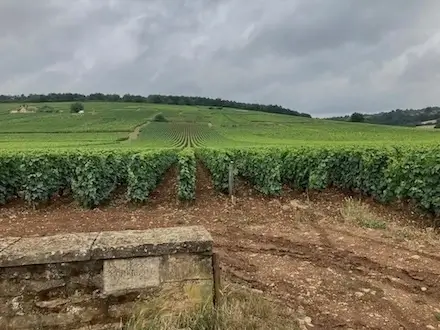
Closer to Dijon we explore the Côte de Nuits, visiting fabled appellations such as Gevrey Chambertin, Nuits-Saint-Georges and Vougeot. More famed for its red wines, the Côte de Nuits has a number of top class crus where superb whites are made, so our day will explore both Chardonnay and Pinot Noir wines, and give us an opportunity to explore the differences in style between different appellations, and to enjoy the fruits of both Premier Cru and Grand Cru vineyards.
On our return we will have time to relax before our final night dinner together in Dijon.
Day 5
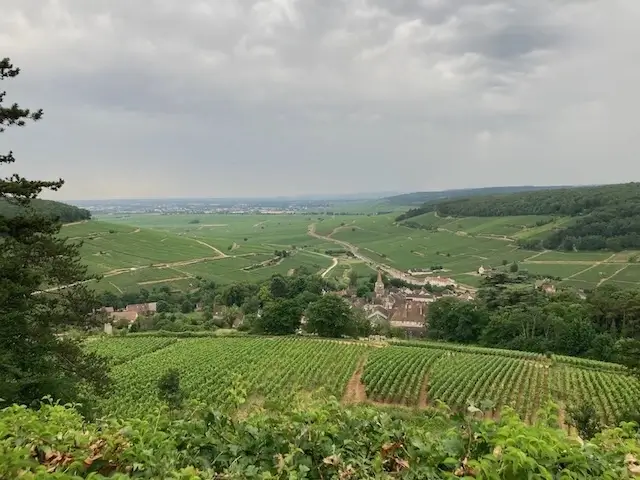
We will have a final visit in the morning, having checked out of our hotel.
Following a light lunch we will return to Dijon, and those returning by plane will have a transfer to Lyon Airport to catch the evening flight.
Note: the Itinerary may be changed at Tim Syrad Wine Tours discretion so as to facilitate the smooth running of the tour and to accommodate great opportunities for visits or tastings that may become available.
Key Tour Information
* The Key Tour Information specifies what you should expect from the tour, no matter how far ahead you book.
As additional information is published on the website, it will be advised to clients who have reserved a place. The daily itinerary will be finalised in the weeks leading up to the Start Date.
Pricing
- £1,749 per person based on 2 people sharing a double/twin room.
- £150 supplement for single occupancy of a double room,
- £100 discount for bookings made before 1st January 2027, and paid for 10 weeks before departure.
Price includes
- Transport from the Meeting Point at Lyon Airport to the hotel in Dijon on Day 1, and to the Departure Point at Lyon Airport on Day 5.
- 5 days (including arrival and departure days)/4 nights bed and breakfast in good quality hotel in Dijon.
- Coach for all activities in the itinerary.
- Three full days of visits and tastings.
- Six visits/tastings, including wineries in areas such as Chablis, Gevrey-Chambertin, Nuits-Saint-Georges, Mersault, Puligny Montrachet and Pernand Vergelesses.
- Six lunches/dinners with local wines.
- All local taxes and service charges.
- The services of Tim Syrad as your Wine Tour Manager and Wine Guide.
It is a condition of my accepting a booking that you will take out appropriate travel insurance – please see our Terms and Conditions Section 8.
Terms and Conditions are available here or on request.
Please note flights are not included in the price. Many of my clients prefer to extend their holiday before or after my tours, so I let people make their own flight arrangements.
* End of Key Tour Information
Flight Transfers
Our Meeting and Departure Point are our hotel in Dijon. For those not travelling by car or train I will arrange transfers from Lyon airport to coincide with the following flights.
Spring Tours
Outbound (18th May, 25th May)
British Airways from London Heathrow to Lyon. Flight BA0356 departs LHR 0745 arrives LYS 1025
Return (22nd May, 29th May)
British Airways from Lyon to London Heathrow. Flight BA0363 departs LYS 1915 arrives LHR 1955
Autumn Tour
To be announced when British Airways publishes its 2027 October schedule.
Please contact me if you would like to discuss travel options, for example flying to or from a different airport or making the journey by rail or driving. I cannot arrange travel for you, but I can advise on what might work best.
How to book this tour
Please contact me by phone or email, or use the enquiry form on the Contact page on the website to check availability. When I confirm a place is available, please complete the booking form to reserve your place.
Once I have confirmed a tour is proceeding I advise clients to arrange flights and confirm travel arrangements to me. Please do not arrange flights before I have confirmed your place and that the tour is proceeding.
Full payment must be made 10 weeks before the tour starts, invoices will be sent out 12 weeks before the tour starts. At this point you will need to provide your insurance details (name of insurer, policy number, 24 hour emergency telephone numbers), outbound/inbound travel arrangements and any dietary requirements.
More about my Wine Tour to Chablis and the Côte d’Or
My tour to Chablis and the Côte d’Or will explore the key elements of this magical wine region, helping to understand how it produces such sublime wines that are copied across the world (but in my opinion rarely bettered).
The terroirs of Burgundy are determined by the soil, the slope and of course the weather.
In Chablis, which shares the same Portlandian limestone and Kimmeridgean soils with vineyards of Champagne and Sancerre (and southeastern counties of the UK!), the top vineyards are those which have the steepest slopes, and are underpinned by mineral rich clay and marly soils, which provide great drainage and good heat retention. The Serein river and its tributaries have created such areas which have become Grand and Premier Cru vineyards, although great wines can be made from neighbouring sites that have not been so designated. With luck during our Spring tours all risk of frost will have disappeared (though seasons are increasingly unreliable).
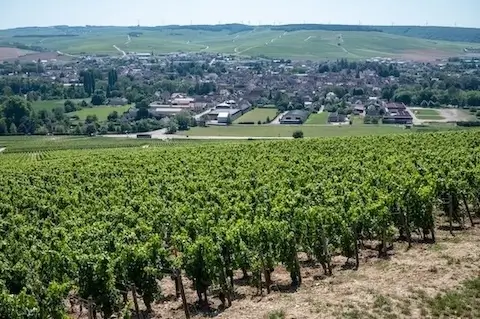
In the Côte d’Or the key geographical feature is the east facing escarpment, which runs north-south from Marsannay to Santenay, and also provides important slope and aspect to the sun. To the west the Morvan hills provide some rain shadow, though throughout the growing season this region can suffer deluges and hailstorms. For this reason some top vineyards are totally enclosed by walls (ie they are ‘Clos’), which help to retain the precious soil that can be washed downhill during a fierce storm. The finest wines come from sites that have been designated Grand Cru (though not in Mersault as we will learn), these have the optimum combination of slope and soil depth to ensure healthy root growth and superb ripening.
Given the risks of erosion on these steep slopes vineyard practices have increasingly included inter-row planting of cover crops, while as in most parts of the world, reduced chemical inputs are a focus for many viticulturalists. But with weather becoming more unpredictable as the climate warms, there are big challenges to ensure vines remain healthy and we will learn about current vineyard practices on our visits.
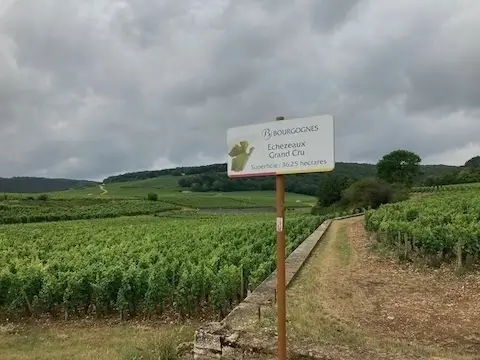
Winemaking is both traditional and cutting edge, as we will discover. With grapes achieving ripeness ever more quickly harvest date is crucial – it’s very unlikely we will see any harvesting in action during our autumn tours sadly. Most grapes are harvested by hand, and the more superior sites will see their individual bunches sorted to a high degree.
White wines are generally pressed as whole bunches to ensure the best juice runs freely, but different winemakers will have different views about fermentation processes, as we will explore. We will definitely see plenty of ‘pièces’ (the 228l oak barrels favoured by Burgundy), and larger oak barrels too – bigger barrels mean less oak influence, and Burgundian winemakers are diligent in avoiding too much oak contact and possible accelerated oxidation of their whites.
Pinot Noir is a fussy grape, both in the vineyard and in the winery, oxidation must be avoided, and over-oaking will mask the glorious delicate complex flavours. Winemakers must decide how long they will allow their grapes to ‘pre-soak’ before fermentation (to help colour extraction), what proportion of whole bunches they will include in their fermentation (to enhance complexity and tannic structure), and then of course the temperature they allow their fermentations to reach and the methods they use to ensure even maceration and fermentation of the must. And then of course there is oak-ageing, a topic we are bound to discuss!
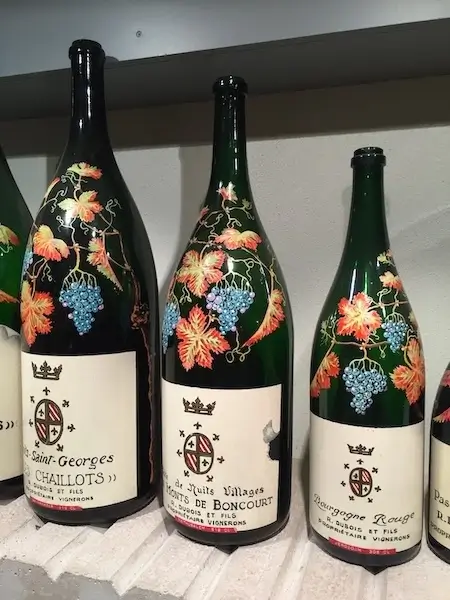
Unlike Bordeaux, where château name is a key indication of quality, in Burgundy it is the vineyard’s location that is the major driver of a wine’s potential (for quality or high prices). As in Bordeaux, négociants have played a key role in the development of the market for Burgundian wines, they have taken advantage of multiplicity of producers of grapes on any site, and have made wines under a variety of ‘appellations’ that start ‘broad’ (AC Bourgogne) and become very specic (AC Charlemagne). Co-operatives are relatively rare, but over time some Domaines (owners of vineyards) have become significant producers of wines made from their own and bought in grapes.
My focus on every tour I run is on getting to know the region through its people as well as its wine, so we will be visiting a number of family owned estates and meeting the family members responsible for growing the vines and making the wines. However, in Burgundy the négociants are crucial, and will allow us to sample wines from across the region. We will visit a variety of producers of different scale, with contrasting histories and philosophies, and learn from our discussions more about the complex ‘anthropology’ of the Burgundy region.
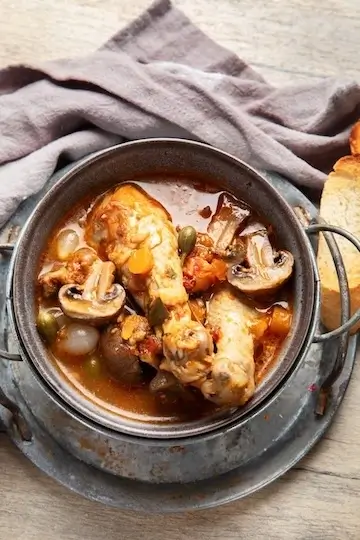
And of course we will eat! Wine is the lynchpin of many Burgundian dishes, Boeuf Bourgignone and Coq au Vin are clear examples. But the region is replete with farms, gardens, game and condiments (such as Moutard de Dijon), and some of the most famous wine-pairing cheeses in the world: Époisses, Soumantrain, Delice de Bourgogne to name but three. Burgundy has just about the highest density of Michelin-starred restaurants in the world, so standards will be high, whether we are eating at a top restaurant, a winery-hosted tasting lunch, or at local restaurants we can discover in Dijon.
More about Tim Syrad Wine Tours
Since 1997 I have escorted over 180 groups of people on wine tours, visiting more than 40 wine regions in Europe and the New World. My clients keep coming back year after year because in addition to tastings and visits we really do meet the people who make the wine and tend the vines.
I pride myself in offering tours that are infomative, imaginative and enjoyable. I keep group sizes manageable so that we spend our time appreciating our visits, not getting on and off the bus or queuing for the loos! I personally escort all of my tours, and I ensure as much as possible of the money my clients pay is spent on great food and wine, and good hotels. I believe you can combine appreciating fabulous wine with relaxation and laughter, which is why so many of my clients come on tour with me every year. More than 100 people have come on at least 10 of my tours.
There is a friendly and welcoming atmosphere on every tour from the start, and I am proud that so many friendships have been made between the people who come on tour with me.
For more information about me, my next tours, and previous tours I have run, and to find out what my clients say (some of whom have been coming on tour with me since 2001) please explore the website.
For more information about this tour, or to book a place, please contact me
By phone (020 7060 4529)
Or email (tim@timsyradwinetours.com)
Or use the online enquiry form on the Contact page